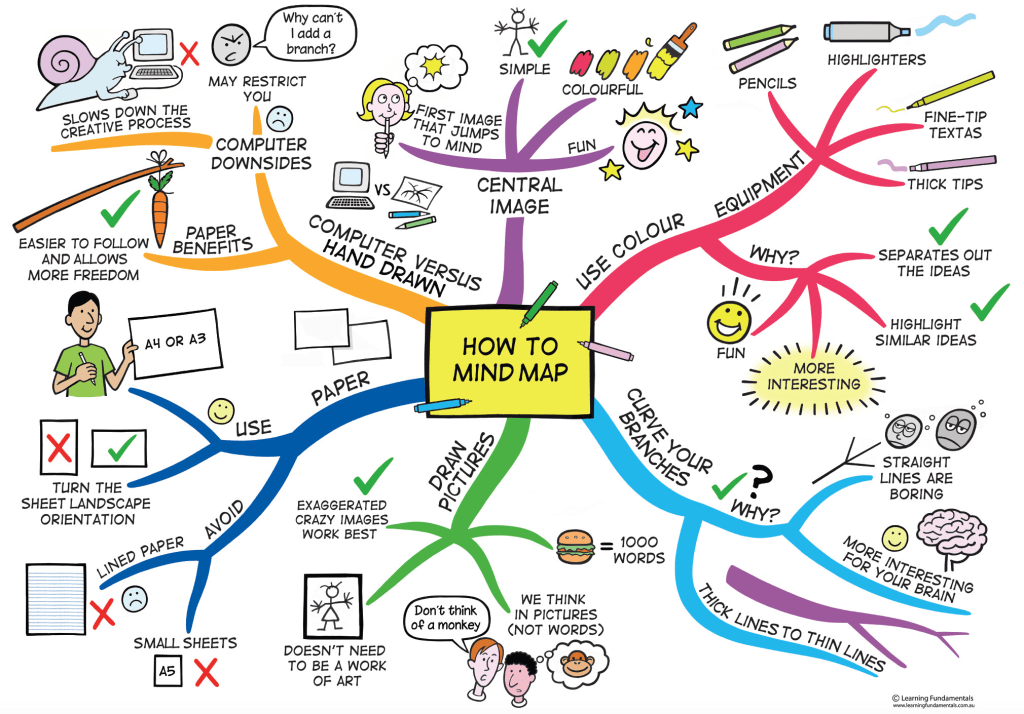
There have been several studies showing that people tend to remember information better when they write it down by hand. For me, that has absolutely been true. Hence the ever-growing stack of commonplace books around my house.
One study discussed in Scientific American explains that typing involves repeating the same simple finger movements, while handwriting creates distinct physical motions for each letter. According to Audrey van der Meer, who spearheaded the study, handwriting helps lock the motor and sensory systems together.
I won’t get too deep into the science here. That isn’t my area of expertise. But looking back, I wish I had been able to handwrite more of my notes in law school.
I tried for a week or two. Eventually, though, the professors spoke too quickly for me to keep up effectively by hand. I switched to typing instead, organizing everything neatly in OneNote by class, with individual pages for each topic on the syllabus. My organization system was solid. The problem was retention.
I’m also not the type of person who can compulsively reread notes over and over again. That makes it especially important for me to absorb the material the first time I encounter it, and handwriting seems to help with that.
In high school, we had spelling tests where we memorized vocabulary terms alongside their definitions. During the test, we had to fill in the correct word next to each definition. Because I had physically written the words down beforehand, I could often close my eyes and “see” the page in my head. Even if I couldn’t immediately remember the correct word, I could remember where it had been positioned relative to the others on the list.
That kind of visual and physical memory still seems to matter for me now.
At any rate, I love creating these various and often random commonplace books. I don’t have to learn at someone else’s speed. I can sketch diagrams where needed. I can reorganize information however my brain naturally wants to process it. For me, it’s simply a better system.
The funny thing is that I never really learned how to study. As a child, most schoolwork came easily to me, so no one ever thought I might need actual study strategies later on.
Over the years, I have Googled and browsed Pinterest trying to find the “best” note-taking system. One method that appears constantly is the Cornell Method, where the page is divided into three sections: a narrow left-hand “cue” column for keywords or questions, a larger note-taking section on the right, and a summary section at the bottom.
I tried it a couple of times and never found it especially helpful. Even the research surrounding the method seems somewhat inconclusive.
What I eventually realized is that I don’t need an elaborate system.
I just need something straightforward that works with the way my brain already processes information: plain notebooks, handwritten notes, and room to think.
No fancy handwriting. No planner stickers. Just paper.
And yes, I once asked ChatGPT for note-taking advice. It suggested mind maps.
I practically yelled at the screen.
They look so chaotic to me that I know I would immediately become irritated with my own notes and never look at them again.