Tag: baseball

  • How Many Notebooks is too Many?

    How Many Notebooks is too Many?

    I first learned about commonplace books while reading the second book of A Discovery of Witches. It sounded like such a cool idea.

    I immediately found an unused notebook in my inventory and started carrying it around.

    I had been told that one simply writes down anything interesting. Unfortunately, I wasn’t finding anything interesting at first, and every time I wrote something down, it felt forced.

    A few months ago—maybe a year, time has ceased to have meaning—I started a bullet journal again. Instead of writing down things I needed to do or making trackers, it slowly turned into a commonplace book.

    I started devoting entire sections to things I was interested in: four pages on whisky, seven pages on Gàidhlig grammar, and assorted bits of trivia that appealed to me for reasons known only to my brain.

    Eventually, I had to start making separate notebooks. I simply had too many interests to fit into one.

    As far as I can remember, I currently have notebooks for:

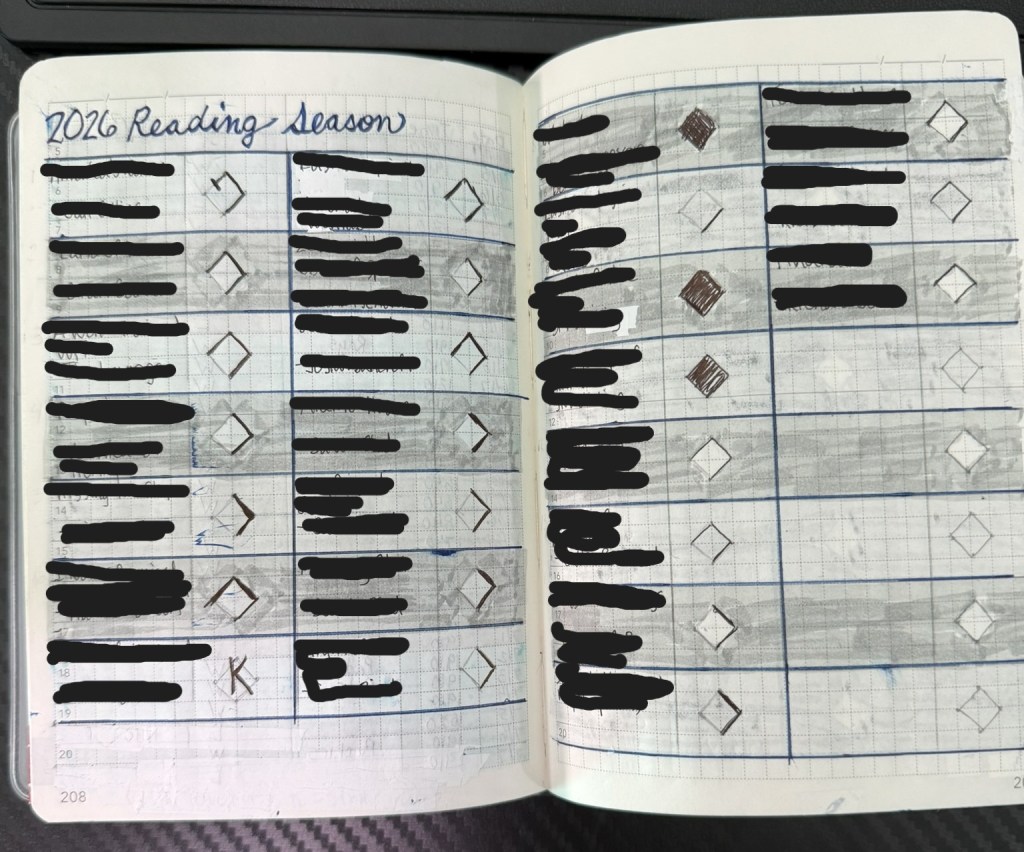
    • Baseball
    • Gàidhlig
    • Norwegian
    • One for a game I am playing but refuse to admit to publicly
    • Religious studies
    • Gardening adventures (which covers enough topics to qualify as several notebooks by itself)

    And I still have many blank notebooks waiting to be filled.

    So how many notebooks is too many?

    Like the question of how many licks it takes to get to the center of a Tootsie Pop, the world may never know.

    Photo by cottonbro studio on Pexels.com
  • The Case for Overcomplicating Things

    The Case for Overcomplicating Things

    I have a tendency to overcomplicate things. At least, that is probably how it appears from the outside. But for me, I usually have to do things the “hard way” if I want them to work at all.

    For example, I grouped my garden into separate beds based on companion planting, water needs, shade requirements, and a variety of other factors. That left a lot of space in between them that still isn’t completely weeded and is taking a massive amount of time.

    But all of that was necessary if I wanted to see what works and what doesn’t. I already know that I can’t plant anything close to the quince-from-hell, and that apparently I can kill peppermint where I intentionally planted it, but not the peppermint that insists on growing literally everywhere else in the garden.

    I have notebooks for language learning. I keep lists of cocktail ideas. I have spent an unreasonable amount of time designing printables. I make tables, draw diagrams, and write down things that many people would simply trust themselves to remember.

    I don’t think the complexity is the problem. I think it is how I learn.

    I need to do things in a way that helps me not only learn, but remember what I learned and how I learned it.

    Paying attention applies to just about everything I do instead of blindly hoping for success.

    I have always felt the need to break things down and figure out how they work. I have never been able to simply memorize phrases and words in other languages because I need to know why something is spelled one way with one pronoun and differently when the pronoun changes.

    I enjoy creating systems. I love finding patterns. That might mean I have more notebooks than most people find necessary.

    Some days I will spend hours writing down Norwegian grammar rules and lists of reflexive verbs. Other days I will spend hours drawing diagrams of different baseball pitches.

    What looks complicated to others simply feels interesting to me.

    The goal was never perfection.

    It was understanding.

    And if understanding occasionally requires a little overcomplication, I think that’s a trade-off worth making.

    Mass communication complicated issues Karl by libraryofcongress is licensed under CC-CC0 1.0
  • I Don’t Need Form – I Need Function (Planner Setup)

    I Don’t Need Form – I Need Function (Planner Setup)

    When I first wrote about my commonplace book, it was mostly a place to gather notes and ideas. Since then, it has become something much more useful: part reference library, part creative workshop, and part record of what I’m learning now.

    Like most good tools, it changed as I changed.

    Commonplace books are often used to collect interesting information across many subjects. In my case, that has turned into several notebooks for several passions.

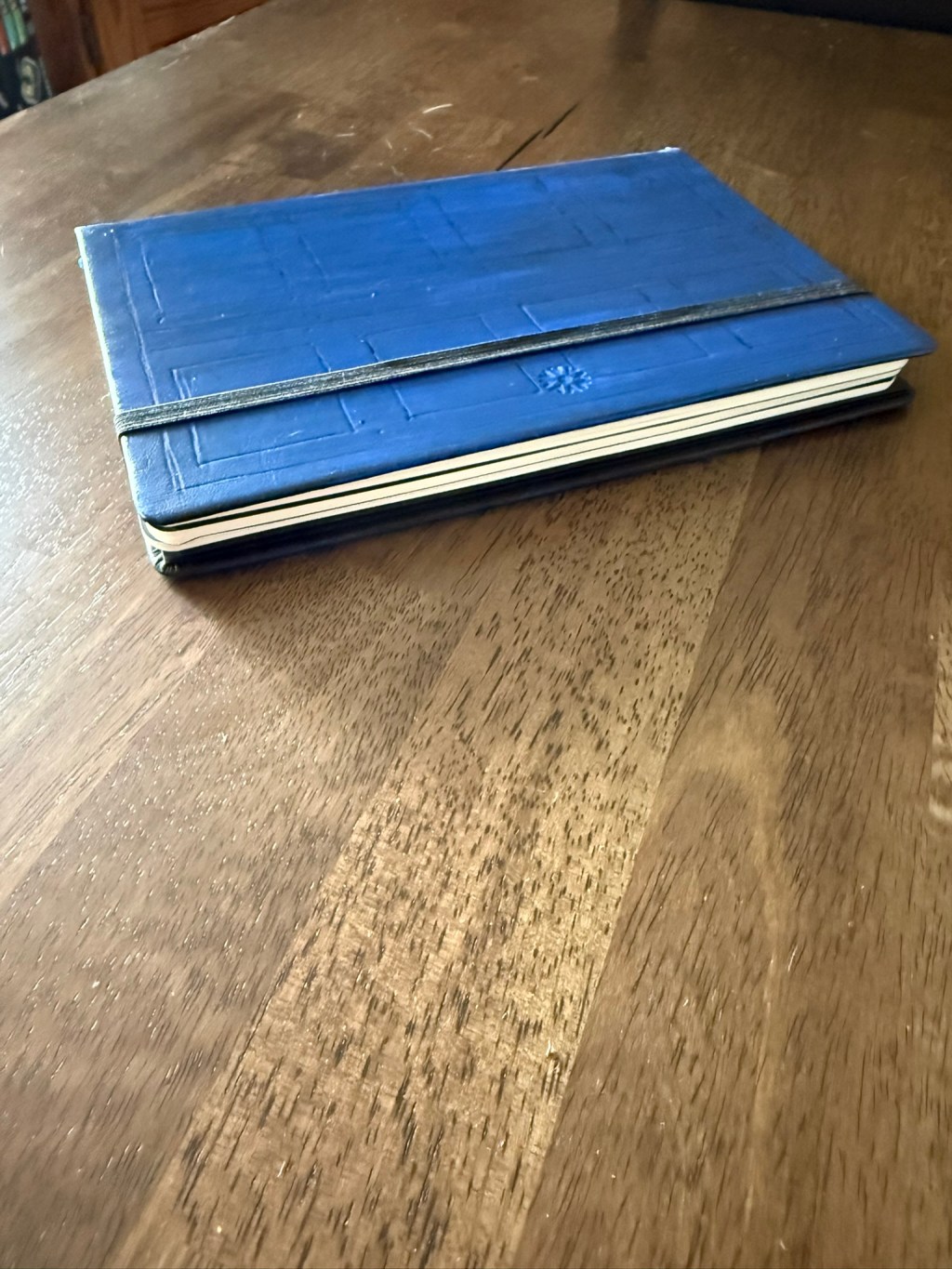
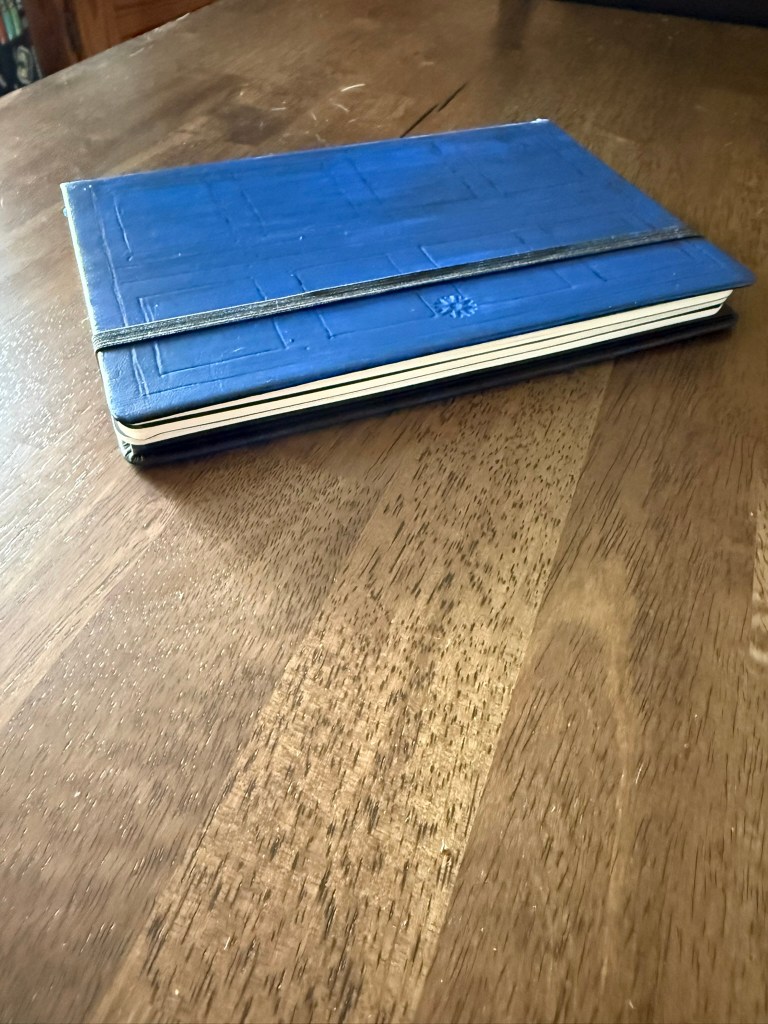
    I have one dedicated to Highland culture, where I once half-seriously decided I should write a dissertation. I have another for Torah study and Jewish learning. I even bought matching notebooks for continuity and built a reusable Traveler’s Notebook-style hardcover, which I turned into a replica of River Song’s diary from Doctor Who.

    My gardening notebook is one of the most practical. I drew the herbs I planted for easy identification, gave each herb and vegetable its own page with planting instructions and uses, and sketched a not-to-scale map of the garden with beds organized by water needs, height, and invasiveness.

    All of this eventually led me to planners.

    When I first discovered bullet journaling, planners, and sticker culture, I fell down the rabbit hole and bought far too much. Eventually I realized I am simply too minimalist for that world.

    I tried the much-loved Hobonichi Cousin. It had many good features, but the pages felt too busy and included sections I knew I would never use. I looked at other planners and couldn’t justify paying premium prices for branding.

    Then I found Wonderland222: clean, functional, and refreshingly minimal.

    Even so, it still wasn’t exactly what I wanted.

    So now I’m designing my own planner in Scribus. So far I have a daily page template and a calendar spread, but my goal is to arrange monthly, weekly, and daily pages in a way that makes sense to me. I’m also creating a custom baseball tracking section.

    I’ll print it myself, bind it myself, and design the cover myself.

    If it turns out well, I may even make a few for others someday.

    The real lesson in all of this is simple: use what works for you.

    Stickers didn’t work for me. Trend-driven planner culture didn’t work for me. Buying things because everyone else loved them didn’t work for me.

    What did work was learning my own preferences.

    I buy tools I can use for years. I choose quality over clutter. I build systems that support my actual life.

    I don’t need form.

    I need function.

    traveler's notebook-style homemade planner cover